Paraphrasing sounds simple say the same thing in different words but most people either paraphrase too little, swapping a handful of words while keeping the same structure, or too much, losing the original meaning in the process. Done well, a paraphrase keeps the meaning intact while changing the wording enough to fix whatever wasn't working: unclear phrasing, an awkward structure, a tone that didn't match the audience, or just too much repetition of the same sentence pattern.
This guide covers when paraphrasing is actually the right fix, how to do it properly by hand, and how a paraphrase tool can speed up the process without replacing your own judgment on what the sentence should say.
When paraphrasing is the right move
Not every writing problem needs a full rewrite. Paraphrasing is worth reaching for in a few specific situations: The sentence is technically correct but hard to follow. Sometimes a sentence isn't wrong, it's just built in a way that makes the reader work too hard — passive voice stacked on a long qualifier, or a structure that buries the main point at the end. Rewriting it from scratch, rather than editing word by word, often produces something clearer.
You need to say the same idea without repeating the same phrasing. This comes up constantly in longer pieces — you've made a point once, and now a later paragraph needs to reference it again without sounding like a copy-paste. A good paraphrase restates the idea in a genuinely different sentence shape, not just a synonym swap. The tone doesn't match the context. A sentence written for a casual blog post might read as too breezy for a formal report, or vice versa. Paraphrasing lets you keep the content while adjusting the register. You're summarizing someone else's point in your own words. Whether it's a source, a colleague's feedback, or your own earlier draft, restating an idea in your own words — rather than lightly editing the original — is what genuine paraphrasing means.
What paraphrasing is not
It's worth being precise about this, because the word gets stretched to cover things it shouldn't:
- Word-swapping is not paraphrasing. Replacing a handful of words with synonyms while keeping the exact sentence structure produces something that reads awkwardly and often changes meaning slightly, without actually solving the underlying problem.
- Paraphrasing is not a way to reuse someone else's work without attribution. If you're restating someone else's original idea or research, a paraphrase still needs a citation. Changing the wording doesn't change whose idea it is.
- Paraphrasing is not the same as summarizing. A paraphrase keeps roughly the same length and level of detail. A summary condenses. Confusing the two often produces a paraphrase that's accidentally missing information the original had.
How to paraphrase a sentence by hand
- Read the original sentence, then look away from it. Don't try to paraphrase while looking directly at the source — you'll end up shadowing its structure. Read it, understand the idea, then write your version from memory of the meaning, not the wording.
- Change the sentence structure, not just the words. If the original starts with the subject, try starting with the action or the outcome instead. A genuinely different structure is a stronger sign of real paraphrasing than synonym substitution.
- Check the meaning survived. Reread both versions side by side and confirm nothing was added, dropped, or subtly changed — especially with numbers, qualifiers ("some" vs. "most"), and negations, which are easy to accidentally flip during a rewrite.
- Adjust length only if needed. A paraphrase doesn't need to match the original word-for-word in length, but a version that's dramatically shorter is probably a summary, and one that's dramatically longer is probably padding. This process works well for a sentence or two. For a whole paragraph or article, it gets slow — which is where a tool helps.
Using an AI paraphrase tool well
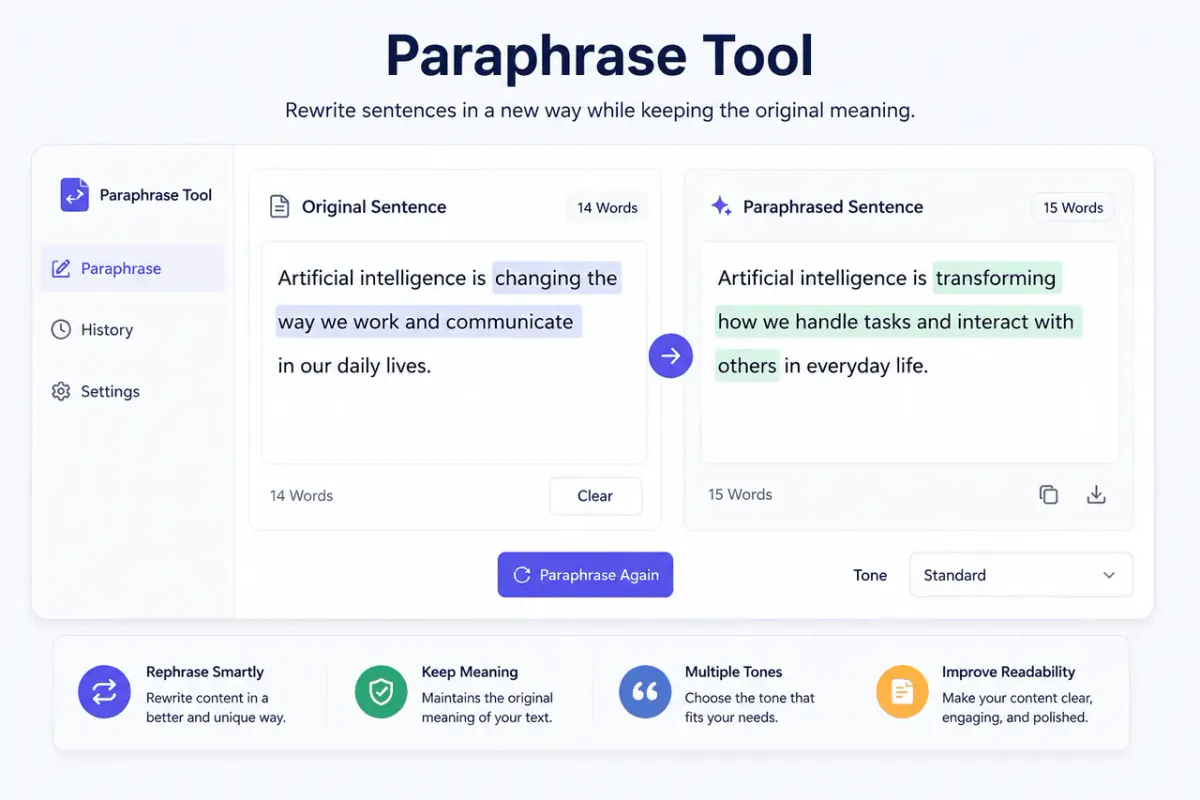
The Paraphrase Tool generates an alternative version of a sentence or passage in seconds, which is useful for getting a starting point rather than staring at a blank rewrite. A few tips for using it well:
- Paraphrase in small chunks, a sentence or short paragraph at a time, rather than pasting in a whole page at once. Smaller chunks tend to produce cleaner, more accurate rewrites, and they're easier to check against the original.
- Always compare the output to the original. Treat the tool's version as a draft to edit, not a finished answer — check that facts, numbers, and qualifiers still match.
- Run it again if the first version still doesn't fit. Different attempts can produce meaningfully different sentence structures, so a second pass is often worth trying if the first doesn't land.
If what you actually need is a broader rewrite of a whole section — not just a sentence-level rephrase — the Content Rewriter is built for that larger scope, generating a full alternative version of a passage rather than a single sentence.
Where this fits into a full edit
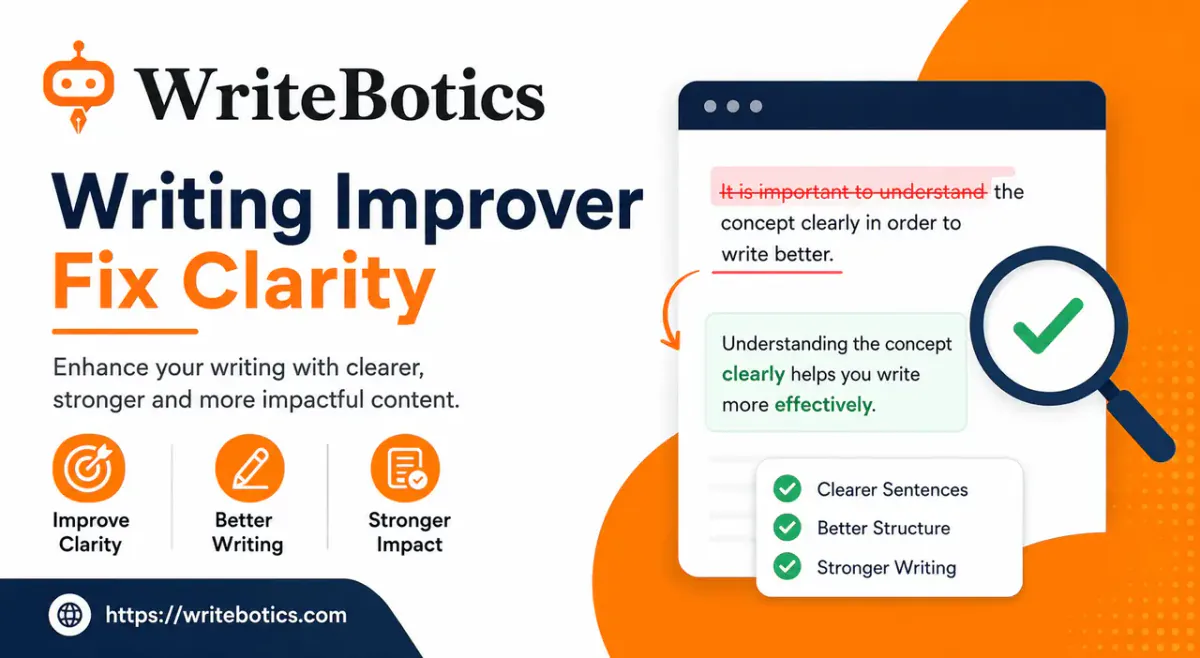
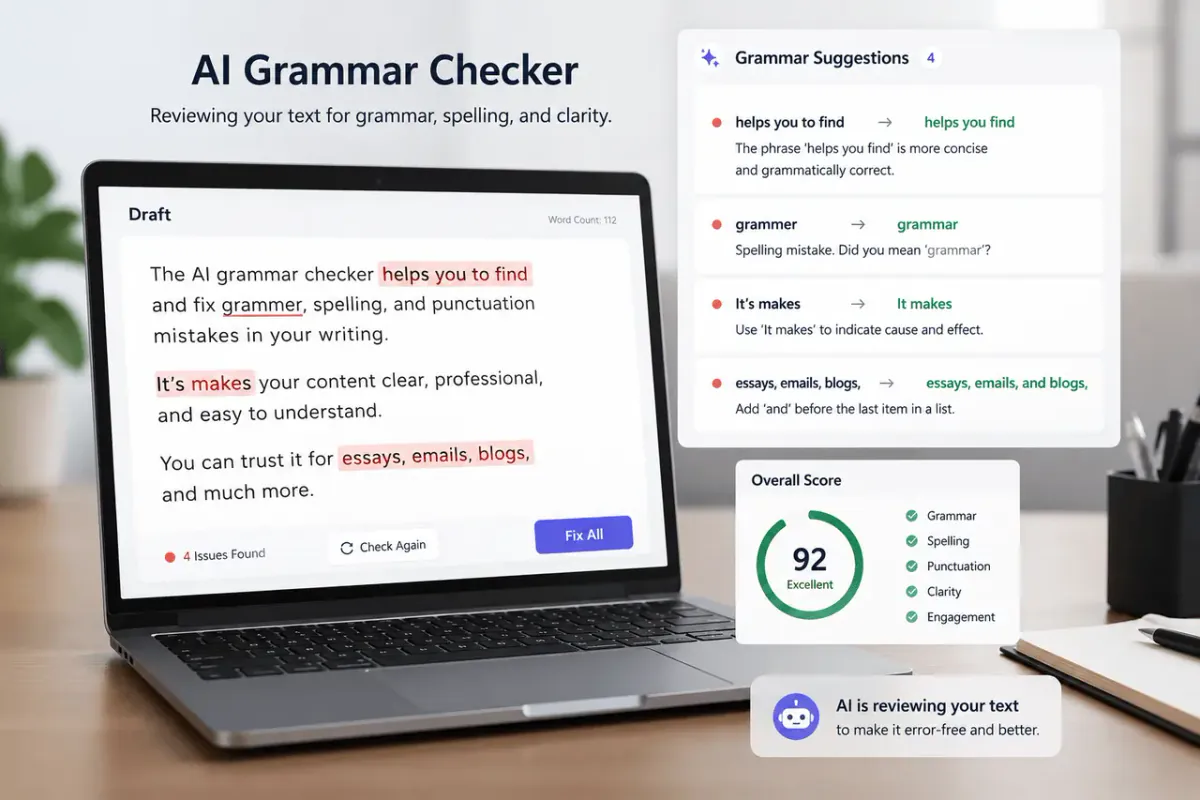
Paraphrasing is one tool in a larger editing process, not a replacement for it. For the broader process of tightening clarity, grammar, and tone together, see Writing Improver: Fix Clarity, Grammar and Tone. And if the sentence you're paraphrasing also has grammar issues, it's worth running it through the AI Grammar Checker afterward, since a rewritten sentence can introduce new small errors even as it fixes the original problem. You can find the full set of free tools, including both of the ones above, on the WriteBotics homepage.
FAQs
What's the difference between paraphrasing and rewriting?
Paraphrasing usually refers to restating a single sentence or short passage in different words while keeping the same length and level of detail. Rewriting is a broader term that can include restructuring, condensing, or expanding a whole section.
Is paraphrasing enough to avoid plagiarism?
No, not on its own. If you're restating someone else's idea or research, you still need to cite the source — paraphrasing changes the wording, not the ownership of the original idea.
Can a paraphrase tool change the meaning of my sentence by accident?
It can, especially with numbers, qualifiers, and negations. Always compare the rewritten version against the original before using it.
How much of a sentence should change for it to count as a real paraphrase?
The structure should change, not just individual words. If you can lay the original and the paraphrase side by side and see the same sentence shape with synonyms swapped in, it likely needs another pass.
Is the WriteBotics Paraphrase Tool free to use?
Yes it's a free, browser-based tool with no signup required, though usage limits can vary by tool.