
Why Every Student Needs the Best AI Humanizer for Better Essays
Students today face a unique challenge. While AI tools can help brainstorm ideas or create outlines, the resulting text often feels stiff and robotic. This lack of a personal touch can affect the quality of an essay or assignment. Finding the best AI humanizer for students is not about cutting corners. It is about learning how to refine digital drafts into professional, readable work that sounds like it was written by a human.
When you use an AI to generate text, it often uses repetitive sentence structures. It might use the same words too often or lack the "flow" that a human writer naturally provides. A humanizer tool helps bridge this gap. It looks at the rhythm of the sentences and the choice of words. Then, it suggests changes that make the writing feel more natural and engaging.
What is an AI Humanizer?
An AI humanizer is a tool that adjusts AI-generated text to sound more natural and conversational. It improves sentence structure, varies vocabulary, and fixes repetitive patterns. For students, these tools help turn robotic drafts into polished essays that reflect a personal tone while maintaining high academic standards and readability.
Using these tools effectively requires understanding how they work. Most humanizers analyze the "predictability" of text. AI tends to choose the most likely next word, which makes it sound mechanical. The best AI humanizer for students introduces variety, making the text less predictable and more "human-like."
How a Humanizer Improves Academic Writing
Academic writing needs to be clear, but it should not be boring. Many students find that AI-generated paragraphs are too dense or use overly complex words incorrectly. A humanizer helps simplify these sections without losing the original meaning.
Enhancing Sentence Variety
Human writers naturally mix short and long sentences. AI often creates sentences that are almost the same length. This makes the reader feel like they are reading a list rather than a story or an argument. By using an AI writing assistant, students can identify where their writing feels flat. A humanizer will break up long, rambling sentences or combine short, choppy ones to create a better rhythm.
Improving Tone and Voice
Every student has a different writing voice. Some are formal, while others are more descriptive. AI often defaults to a generic, neutral tone. The best AI humanizer for essays allows you to adjust the settings to match your specific needs. Whether you are writing a creative narrative or a scientific report, the tool can help you maintain a consistent voice throughout the entire document.
Refining Vocabulary
AI sometimes uses "fancy" words just for the sake of it. This can make an essay feel forced. A humanizer looks for these instances and suggests words that fit the context better. Instead of saying "facilitate," it might suggest "help." Instead of "utilize," it will suggest "use." According to Google Search Central, content should be created for people first. This rule applies to academic writing too; your professor wants to read your ideas, not a thesaurus.
Finding the Best AI Humanizer for Students
Choosing the right tool depends on your goals. Some students need a tool for quick homework help, while others need something more robust for long-term projects. When searching for a tool, consider ease of use, speed, and whether it requires a subscription.
Many students look for a free AI humanizer without login to save time. These tools are great for quick edits or single paragraphs. However, for a full-length research paper, you might want a platform that offers more features, such as a grammar checker or an integrated editor.
Accuracy vs. Speed
A good humanizer should be fast, but it must be accurate. If a tool changes the meaning of your sentence while trying to make it sound human, it creates more work for you. Always read through the output to ensure your original points remain intact. The goal is to improve the delivery of your message, not to change the message itself.
Privacy and Security
Students should always be careful about where they paste their work. Ensure the platform you use has a clear privacy policy. You want to make sure your essays are not being stored or used to train other models without your permission. Professional tools often provide better security for your intellectual property.
Using AI Humanizers for Different Types of Content
While students primarily focus on assignments, the same technology is used in other fields. For example, marketers often look for the best AI humanizer for SEO content to ensure their blog posts rank well and connect with readers.
For Essays and Research Papers
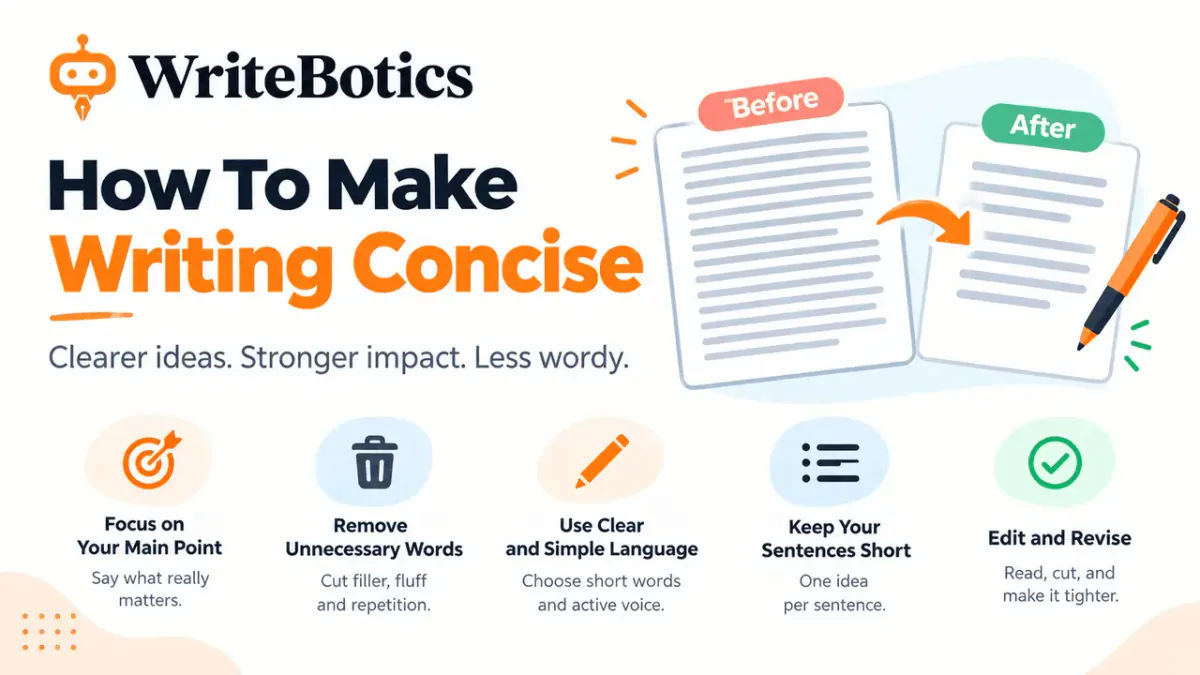
In academic settings, clarity is king. A humanizer helps you remove "fluff." AI often adds unnecessary words to meet a length requirement. A humanized version of that text will be tighter and more impactful. It helps you get straight to the point, which is exactly what markers look for in high-scoring essays.
For Blog Posts and Creative Projects
If you are a student who also runs a blog or creates content online, you need your writing to be relatable. Readers can spot robotic text from a mile away. Using a humanizer ensures that your personality shines through. It helps you add "burstiness"—a mix of sentence lengths and styles—that keeps readers engaged from the first sentence to the last.
Practical Steps to Humanize Your Writing
You should not rely solely on a tool. The best results come from a combination of AI efficiency and human oversight. Here is a simple workflow you can follow:
- Draft your ideas: Use an AI tool or your own notes to create a basic outline and a first draft.
- Run the humanizer: Paste your draft into the tool to improve the flow and sentence structure.
- Read it aloud: This is the best way to catch remaining "robotic" sections. If a sentence is hard to say in one breath, it likely needs more work.
- Check the facts: AI can sometimes "hallucinate" or make up facts. Always verify your sources, as recommended by organizations like OpenAI.
- Final Polish: Use a text summarizer if you need to condense your conclusion or a grammar tool to catch small typos.
Why "Human" Content Performs Better
Whether you are submitting an essay to a teacher or a post to a website, "human" content performs better because it builds trust. Robotic text feels distant. It lacks emotion and personal experience. When you humanize your writing, you are adding a layer of expertise and authority that a machine cannot replicate on its own.
In the world of SEO, content that feels like it was written by an expert is more likely to be shared and cited. For students, writing that feels authentic shows the instructor that you have deeply engaged with the topic. It proves that you understand the nuances of the argument rather than just repeating facts.
Common Mistakes When Humanizing Text
Even with the best tools, things can go wrong. Avoid these common pitfalls to keep your writing professional:
- Over-editing: Don't let the tool change so much that your original voice is lost.
- Ignoring context: Sometimes a formal, slightly "stiff" tone is actually better for a scientific paper. Know when to keep it formal.
- Forgetting to proofread: No tool is perfect. Always do a final check for grammar and spelling.
- Changing definitions: Ensure that technical terms and definitions are not altered by the humanizer.
The Future of AI Writing for Students
As AI continues to evolve, the distinction between "AI-written" and "human-written" will become more about the quality of the ideas. The best AI humanizer for students will eventually become a standard part of the editing process, similar to how spellcheck is used today.
Learning how to use these tools now gives you a competitive edge. It teaches you how to analyze writing and understand what makes a sentence "good." By working with an AI humanizer, you actually become a better editor and a more thoughtful writer. You start to notice patterns in your own writing and learn how to fix them manually over time.
Integrating AI Tools into Your Study Routine
To get the most out of these technologies, you should integrate them into a broader workflow. Don't just use a humanizer at the very end. Use it as you go to refine difficult paragraphs. Pair it with other productivity tools to save time on formatting and research.
For example, if you have a massive stack of research papers to read, use a summarizer first. Then, once you have your notes, use an AI writer to help structure your thoughts. Finally, use the humanizer to make sure the final essay sounds like you. This holistic approach makes the writing process much less stressful.
Frequently Asked Questions
Q: What is the best AI humanizer for students to use for free?
Many platforms offer free versions or trial periods. Look for tools that don't require a login for quick tasks, but remember that paid versions often provide better sentence restructuring and higher word limits for long essays.
Q: Can a humanizer help me avoid AI detection?
While a humanizer makes text sound more natural and varies the sentence structure, its main purpose should be to improve readability and flow. High-quality writing that sounds human is naturally more engaging for readers and instructors.
Q: Does using a humanizer change the meaning of my essay?
If you use a high-quality tool, the meaning should stay the same. However, you should always review the output. Sometimes, changing a word to make it sound "more human" can slightly shift the context, so manual review is essential.
Q: Is it ethical for students to use an AI humanizer?
Using a humanizer as an editing tool is similar to using a grammar checker or a tutor. It helps you improve the delivery of your own ideas. As long as the research and core arguments are your own, a humanizer is a helpful tool for polishing your work.
Q: Can I use an AI humanizer for SEO content as well?
Yes, many writers use these tools to ensure their blog posts aren't repetitive. Humanized content often ranks better because it provides a better experience for the user, which is a key factor in modern search engine algorithms.
Using the right tools can transform your writing process from a struggle into a smooth workflow. By choosing the best AI humanizer for students, you can ensure your essays are clear, engaging, and professional.
Try WriteBotics tools to improve your writing workflow and create better content faster.